
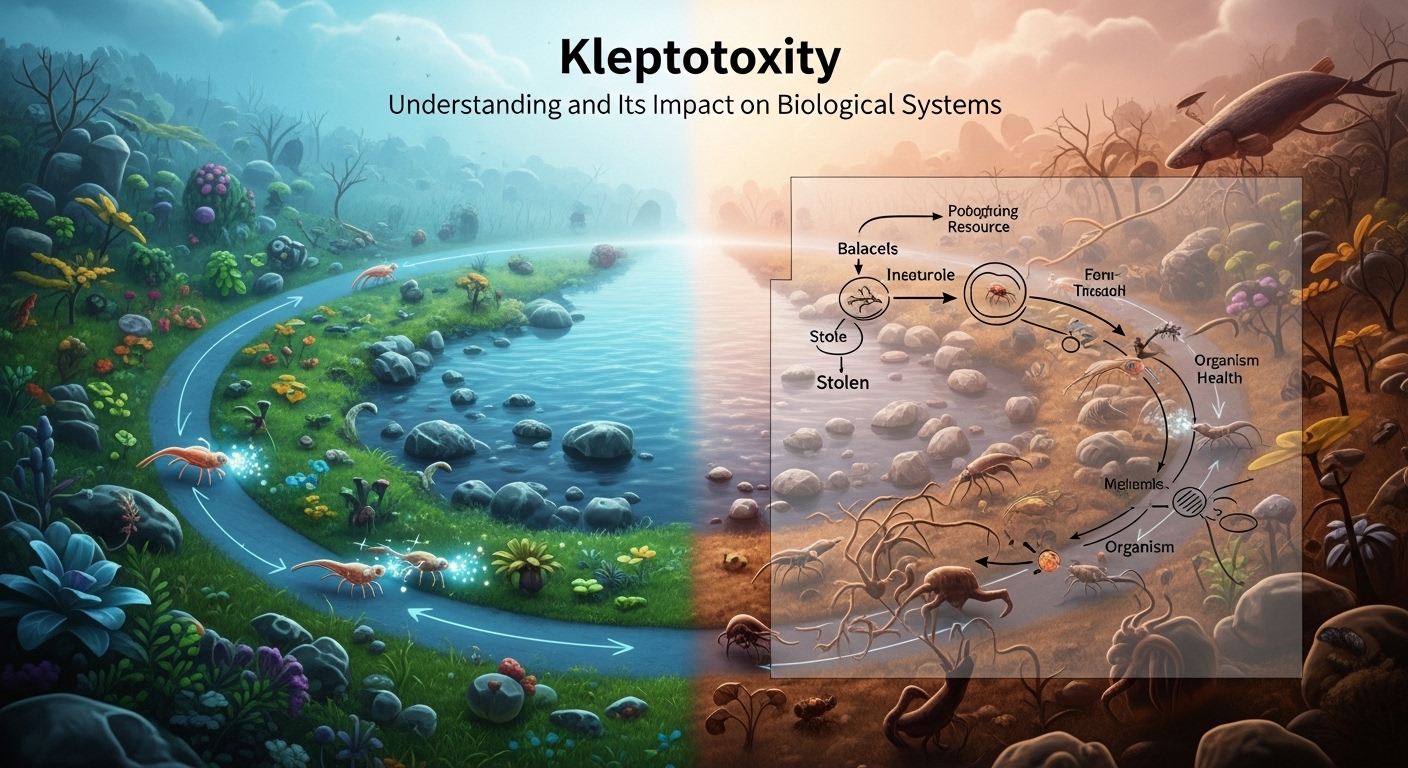

Kleptotoxicity is a fascinating biological phenomenon that highlights how organisms use toxins obtained from other species for their own defense or survival. Unlike organisms that produce toxins internally, species associated with kleptotoxicity acquire and store toxic compounds from their diet or environment. This strategy reveals the complexity of ecological relationships and chemical interactions in nature. As scientific interest grows, kleptotoxicity is becoming an important topic in ecology, toxicology, and evolutionary biology.
Defining Kleptotoxicity in Nature
Kleptotoxicity refers to the ability of an organism to sequester toxic substances from another organism and use them for protection against predators or competitors. These toxins are not synthesized by the host species but are instead taken from prey such as plants, insects, or microorganisms. The process requires specialized physiological mechanisms that allow the organism to tolerate, store, and deploy the toxins without self-harm. This makes kleptotoxicity a remarkable example of biological adaptation.
Biological Mechanisms Behind Kleptotoxicity
The success of kleptotoxicity depends on complex biological mechanisms that manage toxic compounds safely. Organisms exhibiting kleptotoxicity often have modified digestive systems, cellular transport pathways, or storage tissues designed to isolate toxins from vital organs. These adaptations prevent poisoning while preserving the chemical potency of the toxins. Research into these mechanisms provides valuable insight into detoxification processes and chemical resistance in living organisms.
Ecological Role of Kleptotoxicity
Kleptotoxicity plays a significant role in shaping ecological interactions and food web dynamics. By acquiring toxins, organisms gain a defensive advantage that can reduce predation pressure and increase survival rates. This defensive strategy can influence predator behavior, leading to learned avoidance and altered feeding patterns. Over time, kleptotoxicity contributes to ecosystem balance by affecting population control and species interactions.
Examples of Kleptotoxicity in Animals
Several animal species demonstrate kleptotoxicity through their feeding habits and defense strategies. Certain insects, amphibians, and marine organisms are known to accumulate toxic chemicals from their prey and repurpose them as chemical shields. These examples show how kleptotoxicity can evolve independently across different environments. Studying such species helps scientists understand how toxins move through ecosystems and how chemical defenses shape evolutionary pathways.
Evolutionary Advantages of Kleptotoxicity
From an evolutionary perspective, kleptotoxicity offers significant advantages by reducing the energy costs associated with toxin production. Instead of synthesizing complex chemical compounds, organisms can rely on existing toxins found in their environment. This efficiency may enhance reproductive success and adaptability. Kleptotoxicity also drives coevolution, as prey species, predators, and toxin sources continually adapt to each other over time.
Scientific Research and Human Relevance
Research into kleptotoxicity extends beyond ecological curiosity and has practical implications for science and medicine. Understanding how organisms tolerate and store toxins may inspire advances in pharmacology, drug delivery, and toxicology. Additionally, studying kletotoxicity can improve risk assessment related to toxin accumulation in food chains. As research progresses, this field may offer innovative insights into managing toxic substances safely.
Kleptotoxicity illustrates the intricate connections between organisms, chemistry, and evolution. By acquiring and repurposing toxins, species demonstrate remarkable adaptability and survival strategies. This phenomenon not only enriches our understanding of natural ecosystems but also opens new avenues for scientific discovery. As interest in kletotoxicity continues to grow, it stands as a powerful example of how life evolves through cooperation, competition, and chemical ingenuity.