
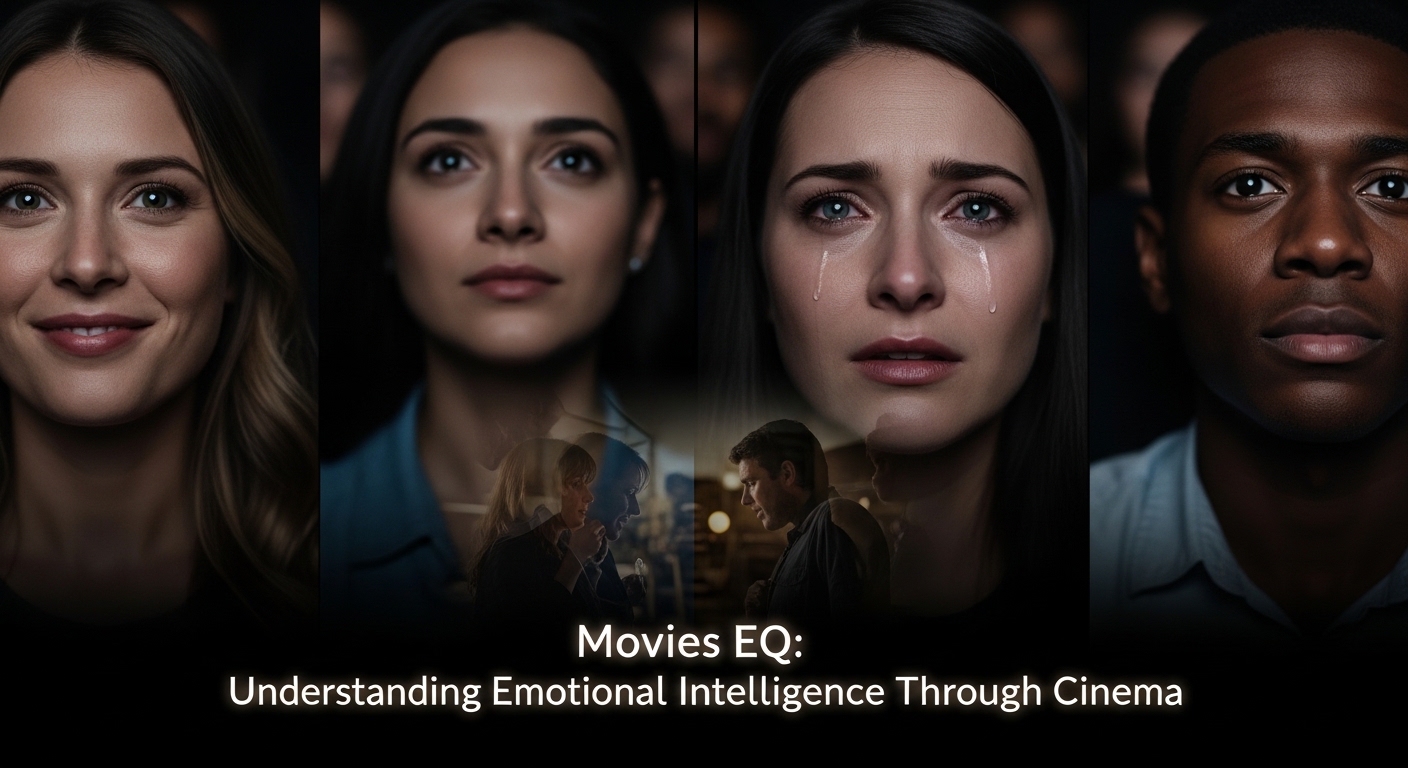

Movies EQ have always been more than entertainment. They reflect human emotions, relationships, and inner conflicts in ways that audiences across cultures can understand. The concept of movies EQ refers to how films express, explore, and enhance emotional intelligence through storytelling, characters, and visual language. Emotional intelligence involves recognizing emotions, managing feelings, showing empathy, and navigating social situations. Cinema brings these elements to life by placing viewers inside emotional journeys that feel real and relatable. From subtle facial expressions to powerful dialogue, movies help audiences connect with emotional experiences beyond their own. Understanding movies EQ allows viewers to appreciate films on a deeper level while also gaining insight into their own emotional awareness and responses.
The Meaning of Emotional Intelligence in Movies
Emotional intelligence in cinema focuses on how characters understand and manage emotions, both their own and others’. Movies EQ becomes visible when characters grow through emotional challenges rather than physical ones alone. Films often portray situations involving loss, love, fear, and moral conflict, allowing audiences to observe emotional decision-making in action. A character who learns empathy or emotional control reflects high emotional intelligence, even without explicitly stating it. These portrayals help viewers recognize emotional patterns and consequences. By watching how characters react under pressure, audiences gain insight into emotional awareness and self-regulation. This makes movies a valuable medium for understanding emotional intelligence in a practical and engaging way that feels natural rather than instructional.
How Storytelling Builds Emotional Awareness
Storytelling is the foundation of movies EQ because it shapes how emotions are introduced and developed. Well-crafted narratives allow viewers to experience emotional highs and lows alongside the characters. Through pacing, conflict, and resolution, films guide audiences toward emotional understanding. When a story takes time to explore a character’s internal struggle, it encourages viewers to reflect on similar emotions in their own lives. Emotional awareness grows as audiences recognize feelings such as regret, hope, or forgiveness within the narrative. Strong storytelling also helps viewers understand emotional consequences, showing how choices affect relationships and personal growth. This emotional engagement makes stories memorable and meaningful, reinforcing the role of emotional intelligence in cinema.
Character Development and Empathy in Cinema
Character development plays a central role in movies EQ by encouraging empathy. As characters evolve, audiences are invited to understand their motivations, fears, and emotional transformations. Even flawed characters can generate empathy when their emotional journeys are portrayed honestly. This connection helps viewers practice perspective-taking, a key component of emotional intelligence. When films show characters learning from mistakes or confronting emotional pain, audiences witness the process of emotional growth. This experience can increase compassion and understanding in real life. By spending time with complex characters, viewers learn that emotions are layered and influenced by background, relationships, and experiences. Cinema becomes a powerful tool for developing emotional sensitivity and empathy.
Visual and Audio Elements That Enhance Emotions
Beyond dialogue and plot, visual and audio elements strongly influence movies EQ. Cinematography, music, lighting, and sound design work together to communicate emotions without words. A slow camera movement or a quiet musical score can express sadness, tension, or relief instantly. These elements guide emotional responses and deepen understanding of a scene’s emotional weight. Viewers often feel emotions before consciously identifying them, which mirrors real-life emotional experiences. This sensory approach helps audiences become more attuned to subtle emotional cues. By engaging both sight and sound, films create an immersive emotional environment that strengthens emotional awareness and connection throughout the viewing experience.
The Impact of Movies EQ on Viewers
Movies EQ does not end when the screen goes dark. Emotional experiences from films often linger, influencing thoughts, conversations, and personal reflections. Viewers may feel inspired to reconsider relationships, communicate more openly, or better understand their own emotions. Films that emphasize emotional intelligence can promote self-awareness and empathy, especially when they portray realistic emotional challenges. Over time, exposure to emotionally rich stories can shape how individuals interpret emotions in daily life. This impact makes cinema a quiet but powerful contributor to emotional development. Movies offer a safe space to explore emotions, making them an accessible and effective medium for emotional learning.
Conclusion
Movies EQ highlights the deep connection between cinema and emotional intelligence. Through storytelling, character development, and sensory elements, films bring emotions to life in meaningful ways. They help viewers recognize feelings, build empathy, and understand emotional growth without formal instruction. By engaging with emotionally intelligent movies, audiences gain not only entertainment but also insight into human behavior and their own emotional world. Cinema continues to be a valuable mirror of emotional experience, making movies EQ an essential aspect of how films connect with people across cultures and generations.