
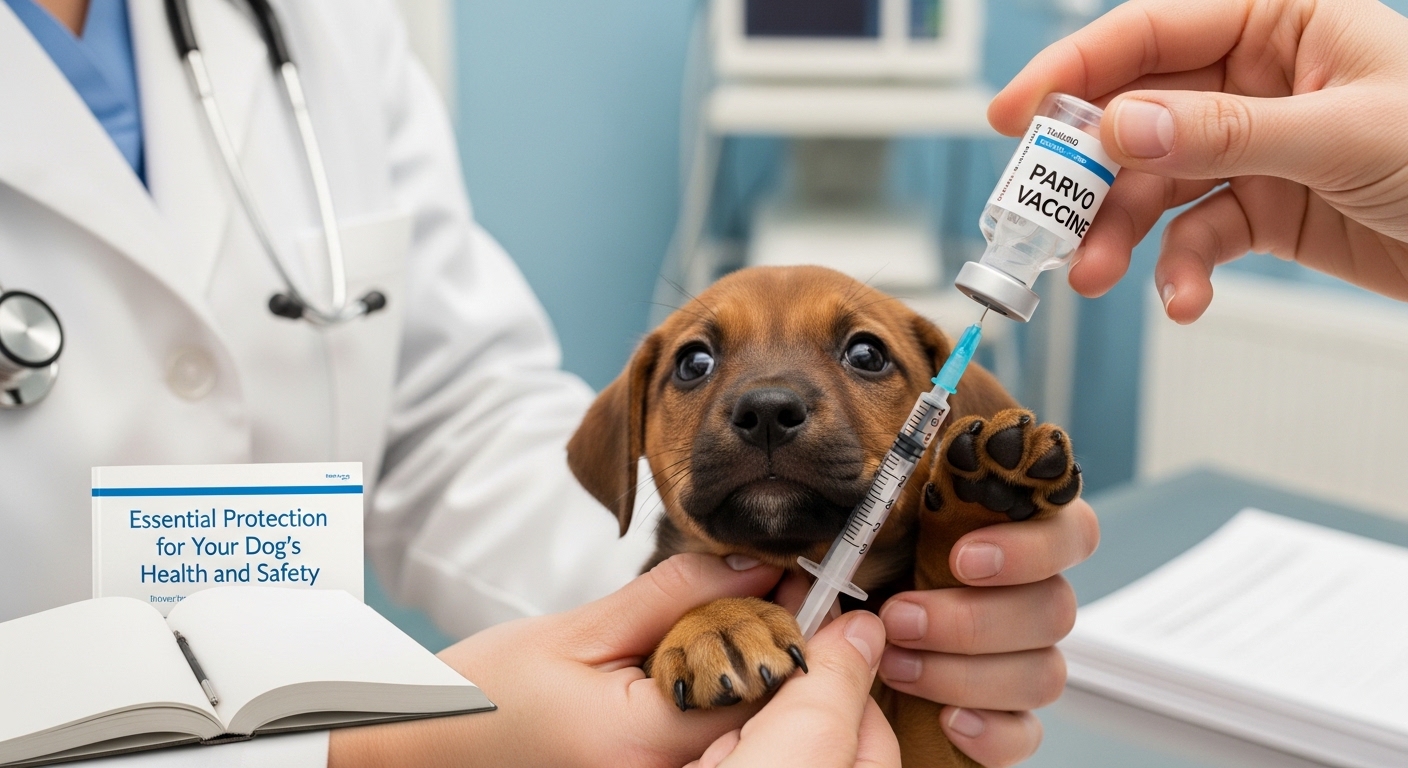

Protecting a dog from life-threatening diseases is one of the most important responsibilities of any pet owner. Among the most serious viral infections affecting dogs is canine parvovirus, a highly contagious disease that can cause severe gastrointestinal illness and even death. The parvo vaccine plays a crucial role in preventing this dangerous condition and safeguarding canine health. With proper vaccination and timely boosters, dogs can develop strong immunity against the virus. Understanding how the parvo vaccine works, when it should be administered, and why it is essential helps ensure long-term protection and overall well-being for pets.
Understanding Canine Parvovirus
Canine parvovirus is a fast-spreading viral infection that primarily affects puppies and unvaccinated dogs. The virus attacks rapidly dividing cells in the body, especially in the intestines, leading to vomiting, severe diarrhea, dehydration, and weakness. In many cases, without immediate treatment, the infection can be fatal. The virus spreads through direct contact with infected dogs or contaminated surfaces, making it difficult to control in communal environments. Due to its resilience in the environment, prevention becomes far more effective than treatment. This is why the parvo vaccine remains a cornerstone of responsible pet healthcare worldwide.
How the Parvo Vaccine Works
The parvo vaccine stimulates a dog’s immune system to recognize and fight the virus before it can cause illness. It contains a modified or inactivated form of the virus that cannot cause disease but triggers the production of protective antibodies. Once vaccinated, a dog’s immune system becomes prepared to respond quickly if exposed to parvovirus in the future. This immune response significantly reduces the risk of severe infection. By training the body to defend itself, the parvo vaccine offers a safe and reliable method of building long-term immunity in both puppies and adult dogs.
Vaccination Schedule for Puppies
Puppies are particularly vulnerable to parvovirus because their immune systems are still developing. The parvo vaccine is typically administered in a series of doses starting at around six to eight weeks of age. Follow-up shots are given every few weeks until the puppy reaches approximately sixteen weeks. This schedule ensures continuous immune support during the early months of life. Booster vaccinations are essential to strengthen and maintain protection. Veterinarians design these schedules carefully to maximize effectiveness and minimize risk, providing young dogs with the strongest possible defense against infection.
Booster Shots and Adult Dog Protection
While the initial vaccination series is vital, ongoing protection requires booster doses throughout a dog’s life. Adult dogs usually receive a booster one year after completing the puppy series and then at intervals recommended by a veterinarian. The parvo vaccine continues to play a key role in maintaining immunity as antibody levels may decrease over time. Regular veterinary visits help determine the appropriate booster schedule based on lifestyle, exposure risk, and overall health. Consistent vaccination ensures that adult dogs remain protected from potential outbreaks and environmental exposure to the virus.
Safety and Possible Side Effects
The parvo vaccine is widely regarded as safe and effective. Most dogs experience no serious side effects, though mild reactions such as temporary soreness at the injection site or slight fatigue may occur. In rare cases, allergic reactions can develop, which require prompt veterinary attention. Veterinarians carefully assess each dog’s health before administering vaccines to reduce potential risks. The benefits of vaccination far outweigh the minimal chance of adverse reactions. By following professional guidance, pet owners can confidently protect their dogs while minimizing concerns related to vaccine safety.
Importance of Early Prevention
Early prevention through the parvo vaccine significantly reduces the likelihood of severe illness and costly medical treatment. Parvovirus spreads easily in parks, kennels, shelters, and even household environments. Because the virus can survive on surfaces for extended periods, exposure may occur unexpectedly. Vaccinating puppies before full exposure to public areas helps prevent infection during their most vulnerable stage. Responsible prevention strategies not only protect individual pets but also contribute to broader community health. Widespread vaccination lowers overall infection rates, creating safer environments for all dogs.
Parvo Vaccine and Community Health
The impact of the parvo vaccine extends beyond individual pets. High vaccination rates within communities help reduce the circulation of parvovirus. When more dogs are protected, the virus has fewer opportunities to spread and cause outbreaks. Animal shelters and boarding facilities often require proof of vaccination to maintain safe conditions. This collective effort supports public confidence in pet-related services and reduces emergency veterinary cases. By vaccinating their dogs, owners participate in a shared commitment to animal health and disease prevention within their local communities.
Supporting Overall Canine Wellness
Vaccination is only one aspect of maintaining canine health, but it plays a foundational role. The parvo vaccine works best when combined with proper nutrition, regular veterinary checkups, and a clean living environment. Healthy dogs respond more effectively to vaccines and maintain stronger immunity. Routine health monitoring also allows early detection of any medical concerns unrelated to parvovirus. By integrating vaccination into a broader wellness plan, pet owners create a comprehensive approach to long-term health and vitality for their companions.
Addressing Common Misconceptions
Some pet owners may hesitate about vaccination due to misinformation or misunderstanding. It is important to recognize that the parvo vaccine has been extensively studied and used successfully for decades. Skipping or delaying vaccination increases the risk of infection, particularly in young dogs. Consulting with qualified veterinarians helps clarify concerns and provide accurate information tailored to each pet’s needs. Open communication and evidence-based guidance ensure that decisions prioritize safety and effectiveness. Understanding the proven value of vaccination helps dispel myths and reinforce responsible pet care practices.
Conclusion
The parvo vaccine remains one of the most important tools for protecting dogs against a highly contagious and potentially fatal disease. Through timely administration, booster support, and responsible veterinary care, pet owners can ensure strong immunity and long-term health. Preventive vaccination not only safeguards individual dogs but also strengthens community-wide disease control efforts. By prioritizing this essential protection, dog owners contribute to safer, healthier environments for pets everywhere.