
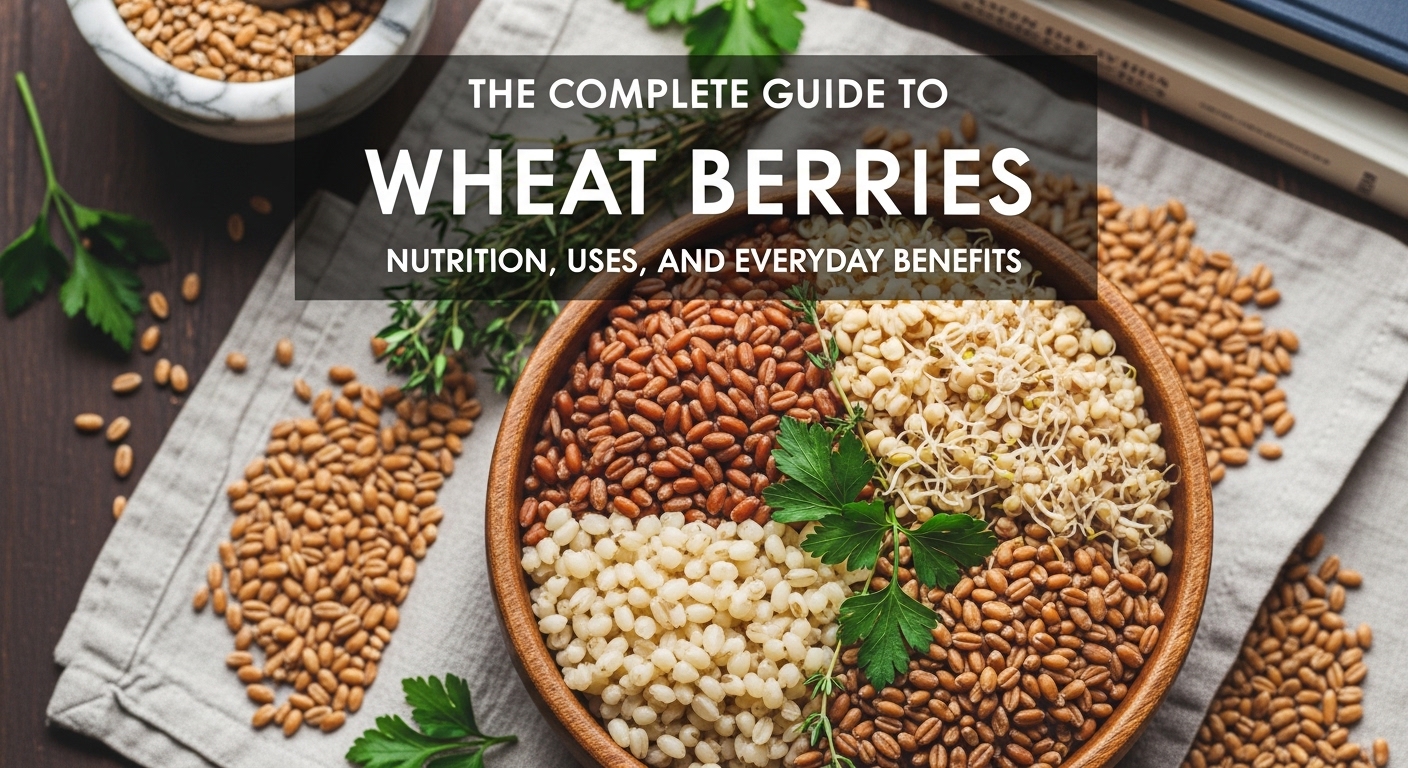

Wheat berries are one of the most natural and least processed forms of wheat available today. These small, firm kernels are the entire wheat grain before it is refined into flour or other wheat products. As more people look for wholesome and nutritious foods, wheat berries have gained attention for their rich flavor, versatility, and impressive health benefits. They are used in many traditional dishes and modern recipes, offering both nutrition and texture. Understanding wheat berries can help individuals make better dietary choices while exploring new culinary possibilities. What wheat berries are, their benefits, uses, and why they deserve a place in a balanced diet.
What Are Wheat Berries
Wheat berries are the whole, unprocessed kernels of wheat that contain the bran, germ, and endosperm. Because they include every part of the grain, wheat berries preserve the full nutritional value that is often lost during processing. These kernels look similar to other whole grains and have a slightly chewy texture when cooked. They come from different varieties of wheat, including hard red, soft white, and hard white types. Each variety offers subtle differences in flavor and texture. Wheat berries are commonly used in salads, soups, and grain bowls. Their natural structure allows them to remain firm even after cooking, making them a popular choice for hearty meals.
Nutritional Value of Wheat Berries
Wheat berries are considered a nutrient-dense whole grain that provides a wide range of essential nutrients. They are rich in dietary fiber, which supports digestion and helps maintain a healthy digestive system. In addition, wheat berries provide plant-based protein that contributes to muscle maintenance and overall body function. These grains also contain important vitamins and minerals such as iron, magnesium, zinc, and B vitamins. The presence of antioxidants in wheat further enhances their nutritional value by helping protect cells from damage. Because the grain remains intact, all these nutrients stay preserved, making wheat berries a highly beneficial addition to daily meals.
Different Types of Wheat Berries
There are several varieties of wheat, and each type has its own unique characteristics. Hard red wheat berries are one of the most common types and are often used for bread making because of their strong gluten content. Hard white wheat offer a slightly milder flavor and are frequently used in lighter baked goods. Soft wheat have a lower gluten content and are suitable for pastries and delicate recipes. These variations allow cooks to select the type that best fits their culinary needs. Despite these differences, all wheat berries maintain the core nutritional benefits that come from being whole grains.
Health Benefits of Wheat Berries
Including wheat in a balanced diet can provide several health benefits. Their high fiber content helps promote healthy digestion and can support heart health by helping regulate cholesterol levels. The complex carbohydrates found in wheat release energy slowly, making them a good option for maintaining steady energy throughout the day. Additionally, the protein content contributes to feelings of fullness, which may help manage appetite and support weight management goals. The vitamins and minerals found in wheat berries also contribute to overall wellness, supporting immune function, metabolism, and healthy body processes when consumed regularly.
How to Cook Wheat Berries
Cooking wheat requires a simple process that brings out their natural texture and flavor. The kernels are usually rinsed and then simmered in water until they become tender while still maintaining a slightly chewy consistency. Depending on the variety, cooking may take around forty to sixty minutes. Some people prefer soaking wheat before cooking to reduce cooking time and improve texture. Once prepared, they can be stored in the refrigerator and used in various dishes throughout the week. Their firm structure allows them to hold up well in both warm and cold meals without becoming overly soft.
Culinary Uses of Wheat Berries
Wheat berries are extremely versatile and can be used in many different types of recipes. They are commonly added to grain salads, where their chewy texture pairs well with vegetables, herbs, and light dressings. In soups and stews, wheat add both nutrition and a satisfying bite. They can also be served as a side dish in place of rice or pasta. Some people use cooked wheat in breakfast bowls with fruit and yogurt. Their mild, nutty flavor allows them to complement a wide variety of ingredients. This versatility makes wheat berries suitable for both traditional and modern cooking styles.
Wheat Berries in Whole Grain Diets
Whole grain diets have gained global attention due to their potential health benefits, and wheat fit perfectly into this approach. Because they remain completely unrefined, wheat provide the full range of nutrients found in whole grains. Many nutrition experts encourage increasing whole grain consumption as part of a balanced eating pattern. Wheat can serve as a foundational ingredient in meals that prioritize natural foods. Their ability to combine with vegetables, legumes, and lean proteins makes them a practical option for creating nutritious and satisfying dishes. Including wheat in regular meals can help support long-term healthy eating habits.
Storage and Shelf Life of Wheat Berries
One of the advantages of wheat is their long shelf life when stored properly. Because the grain remains whole and unprocessed, it is naturally more stable than many refined products. Wheat should be kept in airtight containers and stored in a cool, dry place away from moisture and direct sunlight. When stored under the right conditions, they can remain fresh for several months or even longer. Some people prefer to store them in the refrigerator or freezer for extended preservation. Proper storage helps maintain the grain’s quality, flavor, and nutritional value until it is ready to be used.
Why Wheat Berries Are Gaining Popularity
In recent years, wheat have become increasingly popular among health-conscious consumers and home cooks. As awareness grows about the benefits of whole foods, many people are exploring grains that remain close to their natural form. Wheat fit this trend because they are minimally processed and rich in nutrients. They also offer a satisfying texture that adds variety to everyday meals. Food enthusiasts appreciate their adaptability in different recipes, from traditional dishes to creative modern meals. This growing interest reflects a broader shift toward nutritious and wholesome ingredients that support both flavor and well-being in everyday cooking.
Conclusion
Wheat berries represent one of the most authentic forms of whole grain nutrition. Their rich nutrient profile, versatility in cooking, and satisfying texture make them a valuable addition to many diets. From salads and soups to breakfast bowls and side dishes, wheat provide both nourishment and flavor. They also support healthy eating habits by delivering fiber, protein, and essential minerals in their natural form. As more people seek wholesome ingredients that promote wellness, wheat continue to stand out as a simple yet powerful food choice that connects traditional grains with modern nutritional needs.