
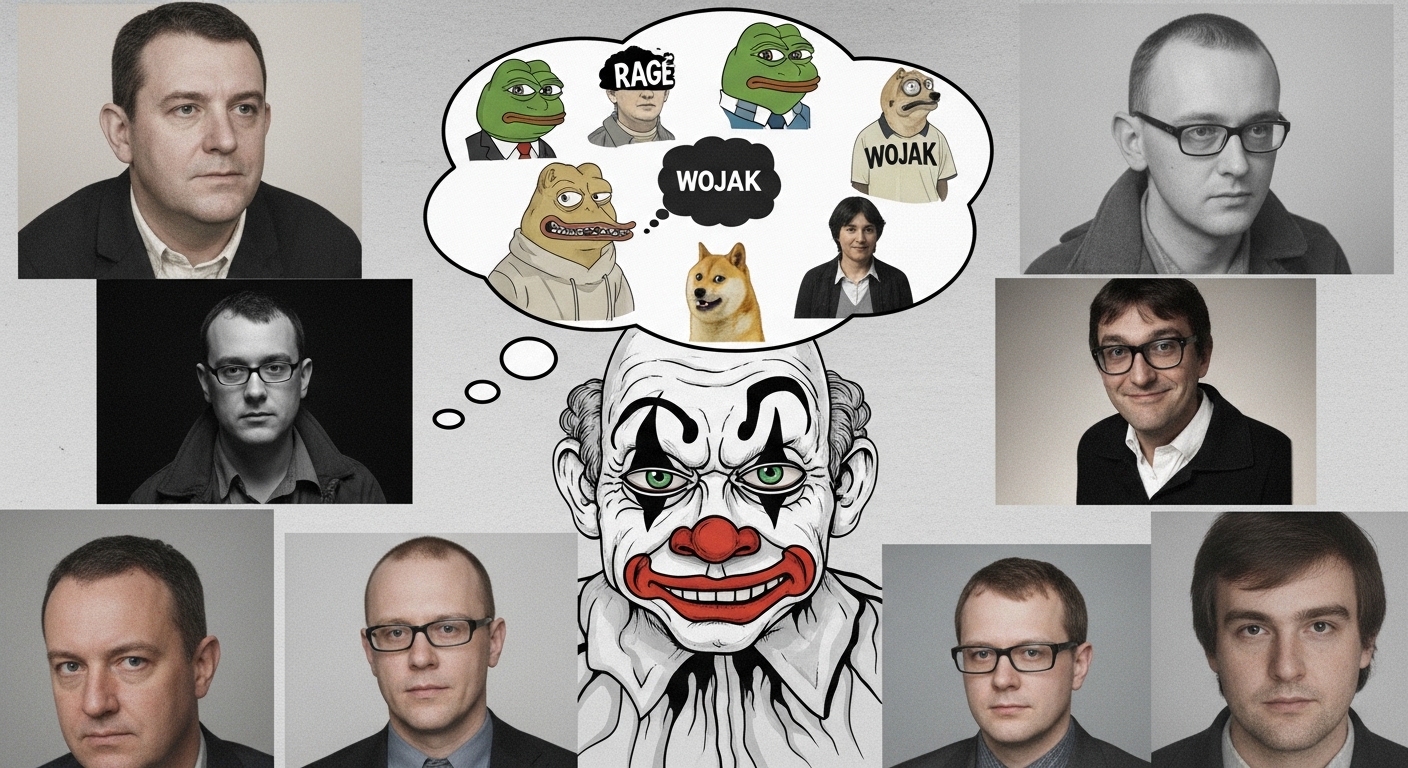

Internet culture has produced countless jokes, images, and viral trends that spread rapidly across social platforms. Among these trends, the retard meme became a topic of debate because it reflects both the creativity and the challenges of online humor. While memes often rely on exaggeration and satire, some forms of humor can raise concerns about language and social responsibility. The retard meme is frequently discussed in conversations about digital culture, internet ethics, and the evolving standards of communication online. Exploring how this meme emerged and why it sparked discussion helps explain the broader relationship between humor, sensitivity, and cultural change in online communities.
The Origins of the Retard Meme in Internet Culture
The retard meme appeared during the early years of widespread internet meme culture, when online forums and social media platforms encouraged users to create humorous images and captions. These memes often used exaggerated expressions, edited photos, or reaction images to communicate jokes quickly. In many cases, the humor depended on surprise, irony, or exaggerated reactions. The retard meme emerged within this environment as a reaction style meme used to express disbelief or frustration in online conversations. While some users treated it simply as internet humor, others began to question the language used and its potential impact on audiences.
How Memes Spread Across Online Platforms
Memes become popular because they are easy to share, adapt, and remix. The retard meme followed this pattern by appearing on discussion boards, image sharing websites, and social media networks. Users modified the format by adding different captions or scenarios, allowing the meme to evolve rapidly. This flexibility helped the meme reach a large audience in a short period of time. However, widespread sharing also increased visibility and scrutiny. As the meme circulated across platforms, more people encountered it, leading to conversations about the boundaries of humor and how certain words or jokes might affect individuals and communities.
Humor, Satire, and the Nature of Meme Communication
Memes often rely on exaggeration and satire to deliver humor quickly. The retard meme was frequently used as a reaction image to express confusion, disbelief, or criticism of a situation. In many cases, users treated it as exaggerated internet slang rather than a literal insult. However, the nature of meme communication can sometimes blur the line between satire and harmful language. Because memes spread without context, different audiences may interpret them differently. This ambiguity contributes to ongoing discussions about the role of humor online and how creators balance comedic expression with awareness of social impact.
The Controversy Surrounding the Retard Meme
The retard meme has generated controversy largely because the word used in the meme has historically been associated with negative stereotypes about intellectual disabilities. Advocacy groups and many internet users have argued that repeating such language in jokes can reinforce harmful attitudes. As conversations about inclusive communication grew online, the meme became an example often discussed in debates about respectful language on the internet. Critics suggested that humor based on outdated terms could unintentionally hurt communities. This controversy encouraged broader reflection on how memes reflect cultural values and how online communities decide which forms of humor remain acceptable.
Changing Attitudes Toward Language Online
Over time, internet culture has begun to shift as users become more aware of the impact of language. The discussion surrounding the retard meme reflects this broader change in digital communication. Many platforms and communities now encourage respectful language and discourage content that may be offensive or discriminatory. As a result, some memes that once circulated widely have gradually declined in popularity. These changes show how online humor evolves alongside social awareness. The debate around the retard meme illustrates how internet communities continually renegotiate the boundaries between free expression, humor, and respect for diverse audiences.
The Role of Social Media in Meme Evolution
Social media platforms play a major role in shaping how memes develop and spread. Algorithms that highlight trending content can quickly push memes into global visibility. The retard meme gained attention partly because of this rapid sharing process. Once a meme becomes widely visible, it often attracts responses from both supporters and critics. Discussions about its meaning and impact can become part of the meme’s life cycle. Social media therefore functions not only as a distribution channel but also as a space where cultural debates take place. The conversations surrounding certain memes reveal how digital culture evolves in real time.
Digital Responsibility and Content Awareness
As internet culture matures, many users are becoming more conscious of the content they create and share. The conversation around the retard meme has encouraged discussions about digital responsibility and respectful humor. Content creators increasingly consider how their posts may affect different audiences. This awareness does not eliminate humor from internet culture but encourages more thoughtful creativity. Memes continue to thrive as a form of entertainment and commentary, yet many communities now promote humor that avoids harmful stereotypes. This shift reflects a growing understanding that online communication carries real social influence beyond simple entertainment.
Meme Culture as a Reflection of Society
Memes often mirror the attitudes, values, and conflicts present within society. The retard meme became a point of discussion because it revealed how language and humor intersect with social awareness. When internet users debate a meme’s meaning or impact, they are also discussing broader cultural questions about respect, freedom of expression, and evolving norms. In this way, meme culture serves as a digital record of how societies change over time. The reactions to controversial memes demonstrate how public opinion can shape the future of online communication and influence the types of humor that gain acceptance.
The Future of Internet Humor and Memes
Internet humor continues to evolve as new generations of users contribute their creativity and perspectives. While some older memes gradually disappear, new formats emerge that reflect changing cultural values and technological trends. The conversation surrounding the retard meme highlights how internet communities adapt as awareness about language grows. Future memes will likely continue to experiment with satire, irony, and visual storytelling while responding to the expectations of global audiences. As digital communication expands, creators will play an important role in shaping humor that entertains people while remaining mindful of the diverse communities that share online spaces.
Conclusion
The story of the retard meme illustrates both the creativity and the complexity of internet culture. Memes can spread ideas, emotions, and humor quickly across digital communities, but they can also spark important conversations about language and respect. As society becomes more attentive to the effects of words and online behavior, discussions around controversial memes encourage reflection on how humor evolves. By examining the origins, spread, and debate surrounding such memes, it becomes clear that internet culture is constantly changing. Understanding these changes helps create a more thoughtful and inclusive environment for digital expression and communication.