
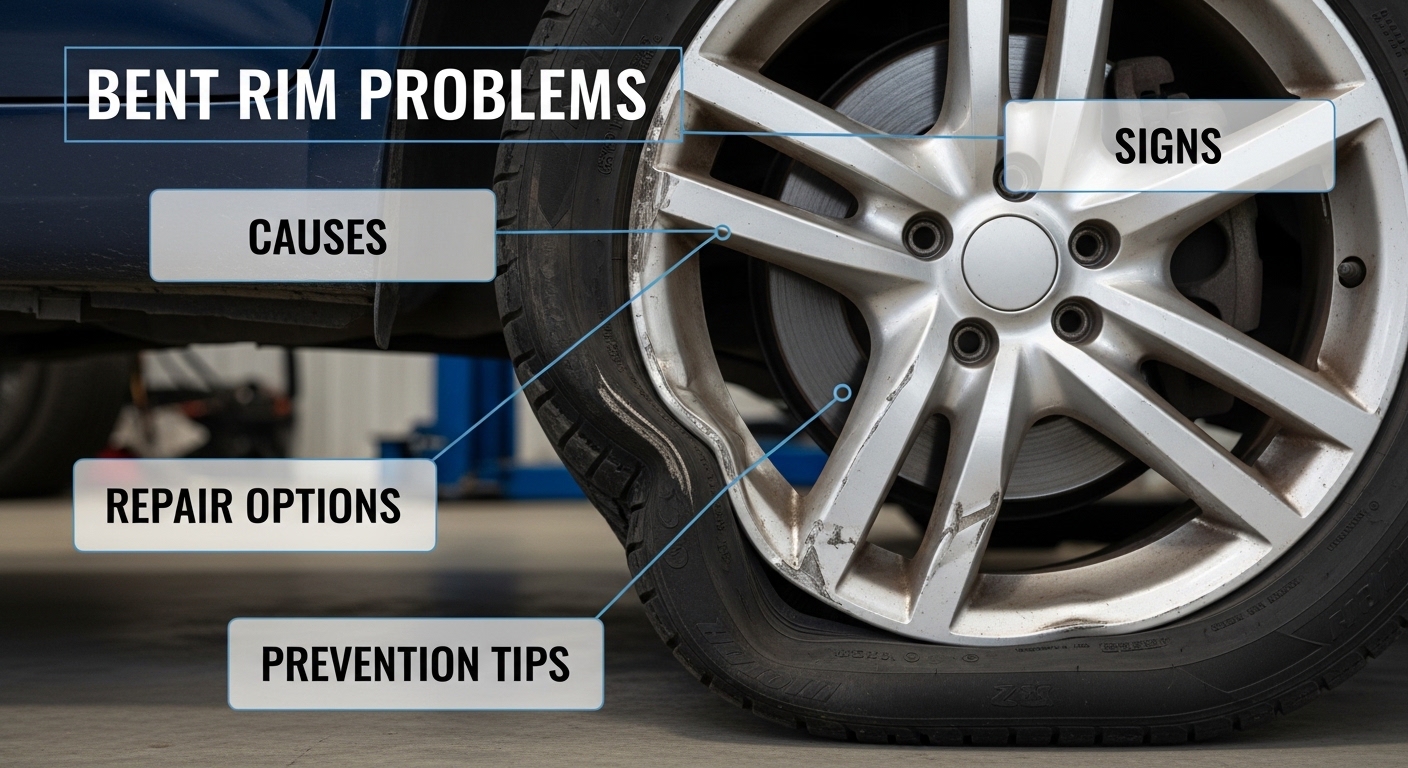

A bent rim is more than just a cosmetic issue on your vehicle. It can affect driving comfort, tire performance, and overall road safety. Many drivers do not immediately notice when a rim becomes damaged, especially if the bend is minor. However, even a slightly bent rim can lead to vibrations, uneven tire wear, or air pressure loss. Modern roads are not always smooth, and unexpected potholes or curbs can easily cause wheel damage. Understanding how a bent rim occurs, how to identify it, and what steps to take can help you avoid costly repairs in the future. By staying informed and proactive, drivers can protect both their vehicles and their safety on the road.
What Causes a Bent Rim?
A bent rim usually occurs when a wheel experiences a sudden impact or excessive pressure. Potholes are among the most common causes, especially when hit at high speed. The force of impact can deform the metal structure of the wheel, leading to visible or hidden damage. Hitting curbs while parking or driving too quickly over speed bumps can also result in a bent rim. In some cases, driving with underinflated tires increases the risk because there is less cushioning between the rim and the road surface. Alloy rims, while lightweight and stylish, may be more susceptible to bending compared to steel wheels. Road debris and uneven terrain further contribute to potential damage. Understanding these causes helps drivers remain cautious and reduce the likelihood of wheel-related problems.
Common Signs of a Bent Rim
Recognizing the signs of a bent rim early can prevent further complications. One of the most noticeable symptoms is vibration in the steering wheel, especially at higher speeds. Drivers may also feel shaking through the seat or floor of the vehicle. Uneven tire wear is another indicator, as a damaged rim can cause improper tire alignment. In some cases, a bent rim may lead to slow air leaks, resulting in frequent tire pressure warnings. If the bend is severe, visible deformation around the edge of the wheel may be noticeable. Strange noises while driving, such as thumping or humming sounds, can also signal wheel damage. Paying attention to these warning signs ensures timely inspection and prevents additional stress on suspension and steering components.
Risks of Driving with a Bent Rim
Continuing to drive with a bent rim can create several safety and mechanical concerns. The imbalance caused by a damaged wheel may reduce vehicle stability, particularly during sharp turns or sudden braking. Over time, the strain placed on suspension parts, bearings, and steering systems can lead to costly repairs. Tire performance also suffers, as uneven contact with the road reduces traction and increases wear. In extreme cases, a severely bent rim can cause sudden tire deflation, posing a serious hazard at high speeds. Fuel efficiency may decline due to improper wheel alignment and rolling resistance. Ignoring the issue not only compromises comfort but also affects long-term vehicle reliability. Addressing a bent rim promptly helps maintain optimal driving performance and safety.
Repair or Replacement Options
When dealing with a bent rim, drivers often wonder whether repair or replacement is the better option. Minor bends can sometimes be corrected by professional wheel repair specialists who use specialized equipment to reshape the rim. This process restores balance and structural integrity when damage is not too severe. However, cracks or significant deformation may require complete replacement to ensure safety. The material of the rim plays a role in determining feasibility, as some alloy wheels respond better to repair techniques than others. Cost considerations also influence the decision, but safety should remain the top priority. Consulting a qualified technician ensures accurate assessment and appropriate action. Properly addressing a bent rim restores vehicle stability and prolongs tire lifespan.
Preventing Future Rim Damage
Preventing a bent rim begins with careful driving habits and regular vehicle maintenance. Reducing speed on uneven roads and avoiding potholes whenever possible significantly lowers the risk of impact damage. Maintaining proper tire pressure provides additional cushioning and helps absorb road shocks. Routine wheel inspections allow early detection of minor issues before they worsen. Choosing durable rims designed for your driving conditions can also make a difference. For drivers in areas with rough terrain or harsh weather, investing in stronger wheel materials may provide added protection. Awareness and preventative care reduce the chances of experiencing repeated rim damage. By taking these proactive measures, drivers can enjoy smoother rides and minimize unexpected repair expenses.
Conclusion
A bent rim is a common but potentially serious issue that can affect vehicle performance, safety, and comfort. Understanding its causes, recognizing early warning signs, and seeking timely repairs are essential steps in maintaining roadworthiness. By practicing cautious driving and regular maintenance, drivers can prevent wheel damage and extend the lifespan of their tires and suspension systems. Addressing a bent rim promptly ensures a safer and more reliable driving experience.