
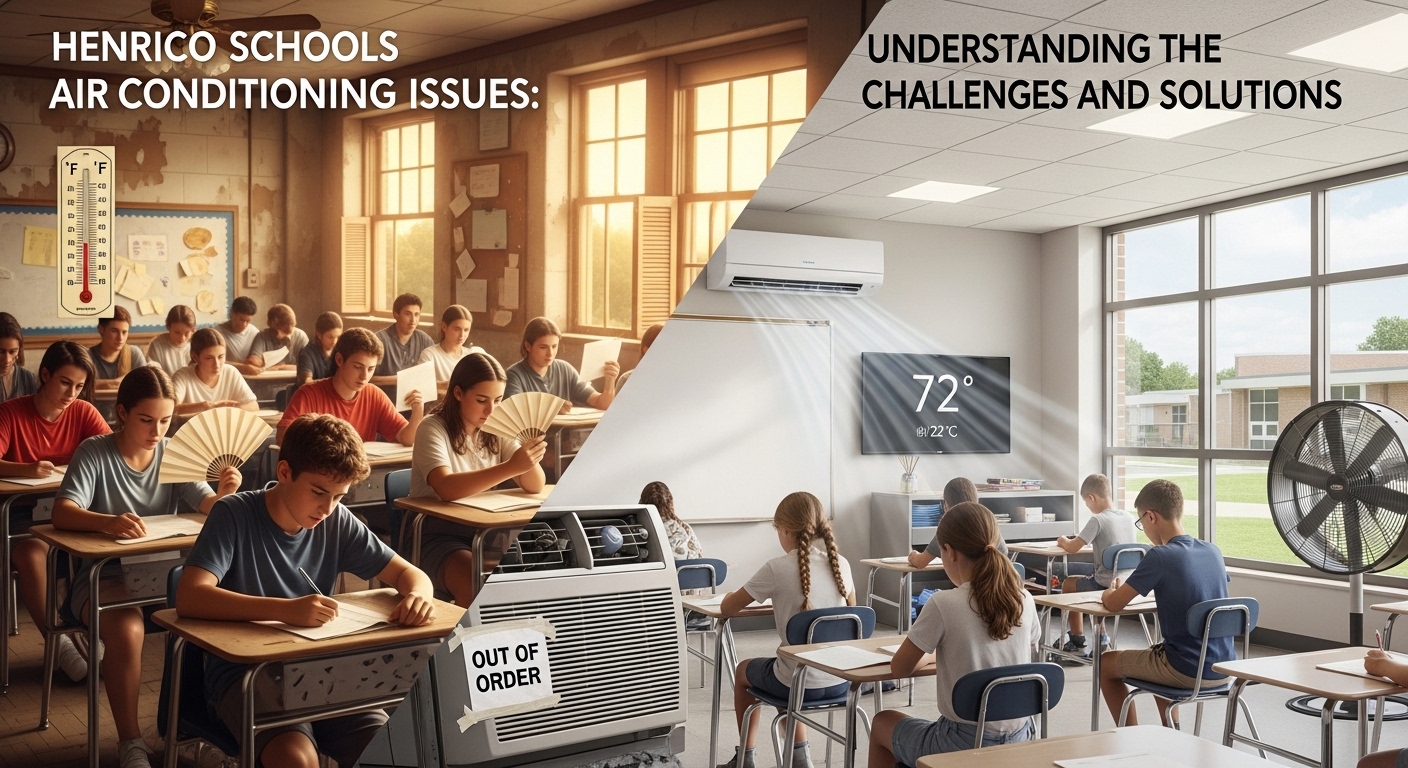

Maintaining comfortable learning environments is essential for student performance and staff productivity. In recent times, henrico schools air conditioning issues have become a topic of concern among parents, educators, and local authorities. Many schools in the district face aging systems, unexpected breakdowns, or inconsistent cooling, which can disrupt daily activities. Addressing these issues is not only a matter of comfort but also of safety and effective learning. Exploring the reasons behind these challenges and the measures being taken to resolve them sheds light on how school districts manage infrastructure problems while ensuring students and staff have a safe, conducive environment.
The Importance of Air Conditioning in Schools
Air conditioning plays a vital role in modern schools by providing a comfortable environment conducive to learning. Proper temperature regulation helps students focus on lessons and reduces fatigue or distraction caused by excessive heat. For teachers and staff, reliable air conditioning supports productivity and workplace satisfaction. When henrico schools air conditioning issues arise, it can affect classroom engagement and overall school morale. Maintaining functional systems is especially important during hot summer months or during periods of high humidity. By recognizing the critical role of climate control, school administrators prioritize maintenance and upgrades to ensure that facilities remain safe and effective for learning.
Common Causes of HVAC Problems in Henrico Schools
Several factors contribute to the recurring air conditioning problems in Henrico schools. Aging equipment, limited maintenance budgets, and heavy usage during peak months can all affect system performance. Over time, components like compressors, coils, and fans may deteriorate, leading to inconsistent cooling or complete breakdowns. Environmental factors such as dust accumulation or power fluctuations can also impact HVAC efficiency. In some cases, design limitations or outdated infrastructure make it difficult to distribute air evenly throughout the building. Understanding these root causes helps school administrators plan effective maintenance schedules and prioritize system upgrades to minimize disruptions caused by air conditioning issues.
Impact on Students and Classroom Learning
Henrico schools air conditioning issues can significantly affect student learning outcomes. Excessive heat or poor air circulation can reduce concentration, increase discomfort, and lead to fatigue. In extreme cases, prolonged exposure to high temperatures may affect health and well-being. Teachers may struggle to maintain classroom engagement when students are distracted or uncomfortable. These challenges can also impact standardized testing, classroom performance, and participation in extracurricular activities. Ensuring reliable air conditioning is therefore essential to support student success and maintain a positive learning environment. Addressing these problems requires both immediate fixes and long-term strategies to prevent recurring disruptions.
Challenges for School Staff and Administration
School staff and administrators face multiple challenges when managing air conditioning issues. Coordinating repairs, scheduling maintenance, and communicating with parents and students requires careful planning. Limited budgets and competing infrastructure needs can make timely repairs difficult. Additionally, temporary closures or classroom relocations may be necessary to ensure safety during maintenance. Administrative staff must balance immediate solutions with long-term planning for equipment replacement or upgrades. Effective management involves coordinating with facilities teams, contractors, and local authorities to address issues promptly while minimizing disruption to the school day. These challenges highlight the importance of proactive planning and resource allocation.
Maintenance Strategies for Improved HVAC Performance
Regular maintenance is key to preventing and minimizing henrico schools air conditioning issues. Scheduled inspections, cleaning of air filters, coil servicing, and system calibration help maintain efficiency and reduce the risk of breakdowns. Preventive measures, such as checking electrical components and monitoring refrigerant levels, can extend the lifespan of HVAC systems. Maintenance strategies also involve planning for seasonal adjustments and anticipating high-demand periods. By investing in preventive care, schools can avoid costly emergency repairs and ensure classrooms remain comfortable throughout the year. Consistent maintenance contributes to energy efficiency and supports the overall reliability of air conditioning systems.
Budget Considerations and Infrastructure Investments
Addressing air conditioning problems in Henrico schools often requires careful budgeting and infrastructure planning. Replacing outdated equipment, upgrading ductwork, and installing modern climate control systems can be costly but necessary for long-term reliability. School districts must balance these investments with other educational priorities, often requiring phased approaches or funding approvals from local authorities. Cost-benefit analyses help administrators determine which upgrades provide the most impact while remaining financially feasible. Transparent communication with stakeholders about the need for infrastructure investments can foster support for improvements, ensuring that air conditioning issues are addressed in a sustainable and effective manner.
Health and Safety Implications
Reliable air conditioning is essential not only for comfort but also for health and safety. Poor ventilation or high temperatures can exacerbate medical conditions, affect respiratory health, and increase the risk of heat-related illnesses among students and staff. Henrico schools air conditioning issues may lead to temporary relocation of classrooms or adjustments in schedules to ensure safety. Maintaining proper indoor air quality and temperature control is critical for compliance with health regulations. Investing in effective HVAC systems and proactive maintenance helps schools protect the well-being of the school community while creating an environment that supports learning and daily activities.
Community Concerns and Communication
Parents, students, and community members often express concern when air conditioning issues disrupt school activities. Effective communication from school administrators helps manage expectations and provide updates on repair timelines or infrastructure projects. Transparency about the challenges, solutions, and preventive measures reassures the community that student safety and comfort are priorities. Engaging stakeholders in discussions about long-term planning and funding initiatives also helps generate support for necessary improvements. Clear and timely communication contributes to community trust and encourages collaborative solutions to address ongoing air conditioning challenges in Henrico schools.
Planning for the Future of HVAC Systems
Looking ahead, Henrico schools are focusing on modernizing HVAC infrastructure to prevent recurring air conditioning problems. Investment in energy-efficient systems, smart climate control technology, and predictive maintenance can improve reliability while reducing operational costs. Long-term planning includes evaluating building designs, upgrading ductwork, and integrating sustainable solutions to ensure consistent comfort throughout all school facilities. By adopting modern approaches and proactive strategies, the district can address current issues while preparing for future challenges. Ensuring reliable air conditioning will enhance student learning, staff productivity, and overall school performance.
Conclusion
Henrico schools air conditioning issues illustrate the importance of maintaining functional, reliable infrastructure in educational environments. From student comfort and academic performance to staff efficiency and health, the impact of HVAC problems is far-reaching. Addressing these challenges requires proactive maintenance, careful budgeting, and strategic investments in modern systems. Open communication with the community ensures transparency and support for long-term solutions. By prioritizing air conditioning improvements, Henrico schools can create safe, comfortable, and conducive learning environments that support both academic success and overall well-being for students and staff.