
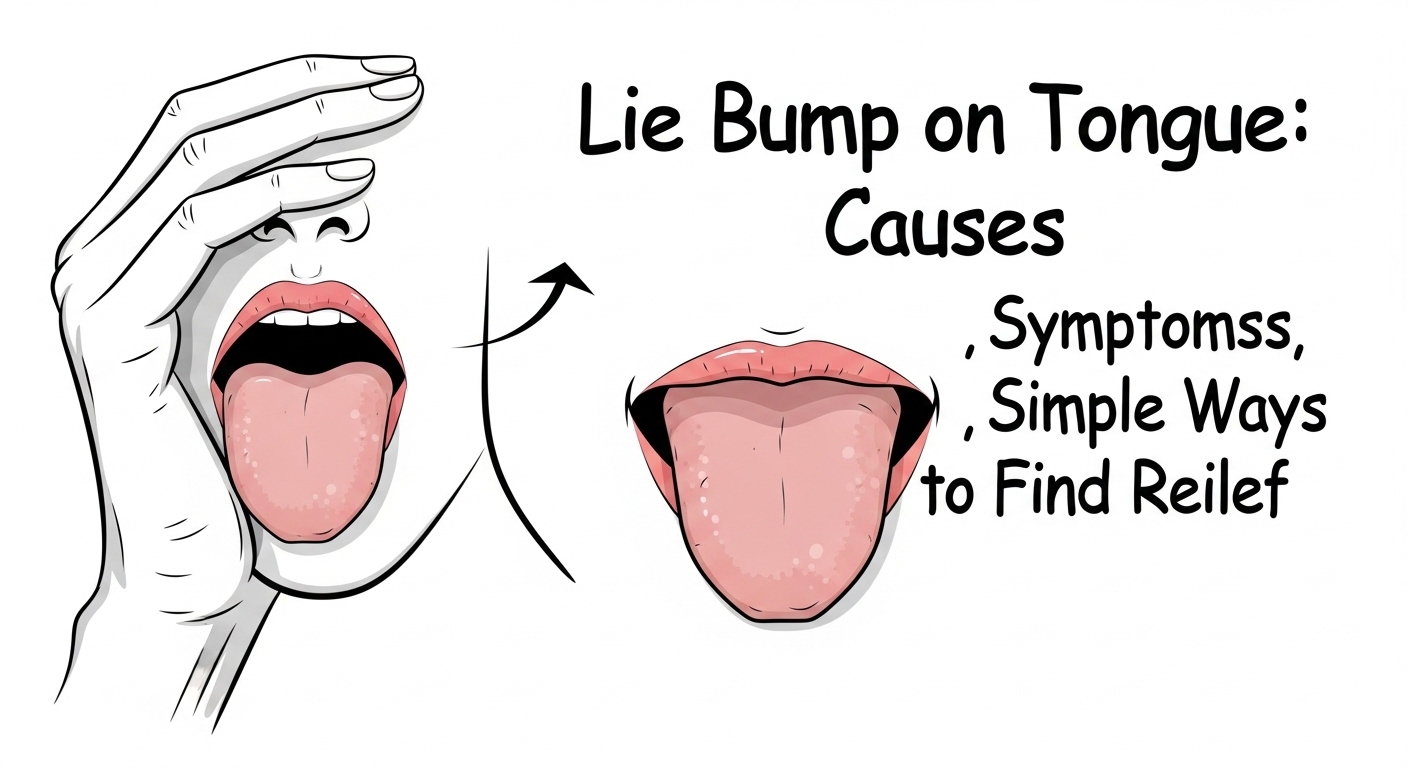

A lie bump on tongue is a small but often uncomfortable condition that many people experience at some point. These tiny bumps can appear suddenly, causing irritation, sensitivity, or mild pain while eating or speaking. Despite the unusual name, lie bumps are not related to telling lies but are usually linked to minor irritation or inflammation of the taste buds. While they are generally harmless and temporary, understanding their causes and proper care can help reduce discomfort quickly. A clear and practical guide to identifying, managing, and preventing a lie bump on tongue effectively.
What Is a Lie Bump on Tongue
A lie bump on tongue, medically known as transient lingual papillitis, is a small inflamed bump that appears on the surface of the tongue. It often develops quickly and may cause discomfort or sensitivity, especially when eating certain foods. These bumps are usually white or red and can appear individually or in small clusters. Although they may look concerning, they are generally harmless and resolve on their own within a few days. Understanding what a lie bump on tongue is helps reduce unnecessary worry and allows individuals to focus on simple and effective ways to manage the condition.
Common Causes of Lie Bumps
The exact cause of a lie bump on tongue is not always clear, but several factors are known to contribute. Irritation from hot or spicy foods is a common trigger, as it can inflame the taste buds. Accidental biting of the tongue or friction from rough foods may also lead to these bumps. Stress and hormonal changes are sometimes linked to their appearance. Poor oral hygiene or sensitivity to certain foods can increase the likelihood as well. Recognizing these causes can help individuals avoid triggers and reduce the chances of developing a lie bump on tongue in the future.
Symptoms and How to पहचान Them
A lie bump on tongue is usually easy to identify due to its distinct appearance and sensation. The most common symptom is a small raised bump that may be red or white in color. It often causes mild pain or irritation, especially when touched or exposed to food. Some people may experience a burning or tingling feeling in the affected area. In certain cases, the bump may feel more sensitive than the surrounding tissue. Recognizing these symptoms early helps individuals take appropriate steps to manage discomfort and avoid further irritation of the affected area.
Are Lie Bumps Contagious
A lie bump on tongue is not contagious and cannot be spread from one person to another. It is a localized condition that develops due to irritation or inflammation rather than infection. This means there is no need to worry about sharing food or utensils with others. Understanding that lie bumps are not contagious can provide reassurance and prevent unnecessary concern. While they may appear suddenly, they are not caused by viruses or bacteria that spread between individuals. This makes them a relatively harmless condition that can be managed easily without special precautions.
Home Remedies for Relief
Managing a lie bump on tongue at home is usually simple and effective. Rinsing the mouth with warm salt water can help reduce inflammation and promote healing. Avoiding spicy, acidic, or hot foods prevents further irritation. Drinking plenty of water keeps the mouth hydrated and supports recovery. Maintaining good oral hygiene by brushing gently and using a mild mouthwash can also help. These remedies are easy to follow and often provide quick relief. Most cases of lie bump on tongue improve within a few days when proper care and attention are given to the affected area.
When to Seek Medical Advice
Although a lie bump on tongue is usually harmless, there are situations where medical advice may be necessary. If the bump persists for more than a week, becomes unusually large, or causes severe pain, it is important to consult a healthcare professional. Recurring bumps or additional symptoms such as fever may indicate an underlying issue. A proper evaluation ensures that the condition is not mistaken for other oral health problems. Seeking medical advice provides peace of mind and ensures appropriate treatment if needed. Early attention can help prevent complications and support faster recovery.
Preventing Future Lie Bumps
Preventing a lie bump on tongue involves adopting simple habits that reduce irritation and maintain oral health. Avoiding excessively hot or spicy foods can lower the risk of inflammation. Chewing food carefully helps prevent accidental bites that may irritate the tongue. Maintaining proper oral hygiene keeps the mouth clean and reduces sensitivity. Managing stress through relaxation techniques may also play a role in prevention. By understanding potential triggers and making small adjustments, individuals can significantly reduce the likelihood of developing a lie bump on tongue and maintain better overall oral comfort.
Impact on Eating and Daily Life
A lie bump on tongue can temporarily affect eating and speaking, especially when the bump is sensitive or painful. Certain foods may cause discomfort, leading individuals to avoid spicy or acidic items. Talking for extended periods may also become slightly uncomfortable. Despite these minor challenges, the condition rarely interferes with daily activities in a significant way. Most people continue their routines with minimal disruption. Understanding how a lie bump on tongue affects daily life helps individuals manage their expectations and take simple steps to reduce discomfort until the bump heals naturally.
Difference Between Lie Bumps and Other Conditions
It is important to distinguish a lie bump on tongue from other oral conditions that may appear similar. Mouth ulcers, infections, or allergic reactions can sometimes be mistaken for lie bumps. Unlike these conditions, lie bumps are usually small, short lived, and limited to the tongue’s surface. They do not typically involve severe symptoms or long term issues. Recognizing these differences helps individuals avoid confusion and unnecessary concern. If symptoms do not match the usual pattern of a lie bump on tongue, seeking professional advice ensures accurate diagnosis and appropriate care.
Conclusion
A lie bump on is a common and generally harmless condition that can cause temporary discomfort but rarely leads to serious issues. Understanding its causes, symptoms, and simple treatment options allows individuals to manage it effectively. Most cases resolve on their own with basic care and attention to oral hygiene. By avoiding common triggers and maintaining healthy habits, the chances of recurrence can be reduced. While medical advice may be needed in rare situations, a lie bump on tongue is typically easy to handle, ensuring minimal impact on daily life and overall well being.