
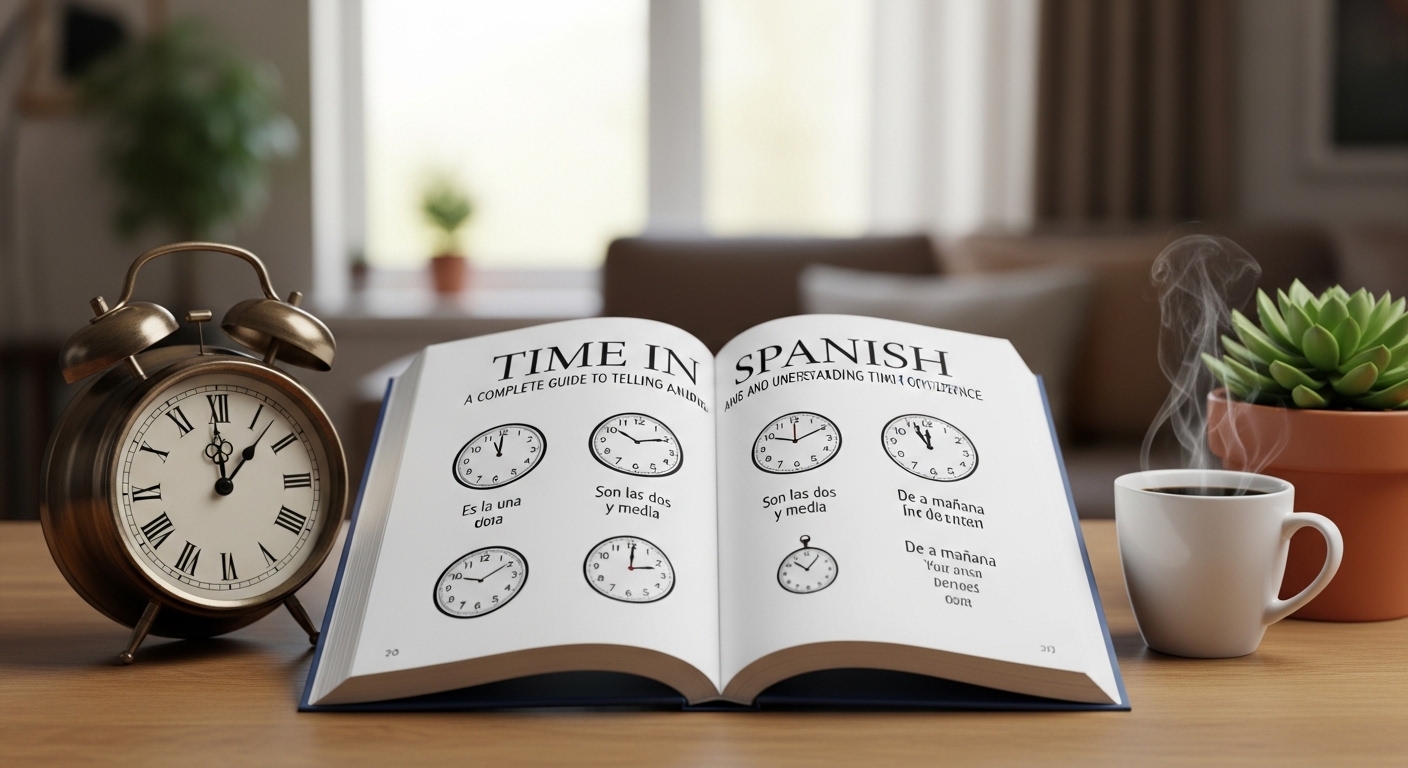

Learning how to express time in Spanish is an essential skill for anyone studying the language. Whether you are planning travel, attending classes, or speaking with native speakers, knowing how to ask and tell time allows you to communicate clearly in everyday situations. Understanding time in Spanish goes beyond memorizing numbers. It involves specific grammar rules, expressions, and cultural nuances that shape how time is discussed. With consistent practice and clear guidance, learners can confidently master this important topic and improve both their conversational and practical language skills.
Understanding the Basic Concept of Time in Spanish
Time in Spanish is commonly expressed using the verb ser, which means to be. When asking for the time, people usually say ¿Qué hora es? meaning what time is it. The response typically begins with Es la for one o’clock or Son las for other hours. This structure reflects grammatical agreement between singular and plural forms. Understanding this basic framework is crucial before exploring more complex expressions. By mastering these simple sentence patterns, learners build a strong foundation for discussing schedules, appointments, and daily routines in Spanish with greater confidence.
Numbers and Their Role in Telling Time
A clear understanding of numbers is essential when learning time in Spanish. Since hours and minutes rely heavily on numerical accuracy, learners must feel comfortable with counting beyond basic digits. Hours are expressed using cardinal numbers, while minutes follow after the conjunction y, meaning and. For example, to say two thirty, you would combine the number for two with thirty. Practicing pronunciation and listening skills helps reinforce accuracy. Strong numerical knowledge not only improves the ability to tell time but also supports other language tasks such as shopping and discussing dates.
Using Minutes Past and Minutes To
Expressing minutes past and minutes to the hour is another key aspect of time in Spanish. Minutes past the hour are typically formed by adding y followed by the number of minutes. However, when referring to minutes before the next hour, Spanish often uses menos, meaning minus. For example, instead of saying five forty five, speakers might say six minus fifteen. This structure may feel unfamiliar to beginners, but it becomes natural with practice. Understanding these patterns allows learners to interpret spoken Spanish more accurately and respond appropriately in conversations.
Special Expressions for Common Times
Certain times of day have unique expressions that simplify communication. For example, half past the hour is commonly expressed using media, while quarter past and quarter to use cuarto. These expressions are widely used in daily speech and appear frequently in casual conversations. Becoming familiar with them makes understanding time in Spanish more natural and fluent. Rather than translating word for word from English, learners should focus on internalizing these standard phrases. This approach ensures smoother conversations and greater comfort when interacting with native speakers.
Talking About Parts of the Day
Time in Spanish is closely connected to parts of the day, such as morning, afternoon, and evening. These periods are expressed as de la mañana, de la tarde, and de la noche. Unlike English, which often uses a twelve hour format with a.m. and p.m., Spanish typically relies on these descriptive phrases to clarify meaning. Context also plays a role in interpretation. Understanding how these expressions function helps prevent misunderstandings when scheduling meetings or discussing plans. Mastering these time markers enhances clarity in both formal and informal communication settings.
Asking About Schedules and Appointments
Beyond telling the exact hour, discussing time in Spanish often involves asking about schedules. Questions such as A qué hora starts an inquiry about when something happens. This structure is useful for arranging meetings, confirming event times, or planning travel. Being able to both ask and answer such questions increases practical communication skills. Time expressions frequently appear in everyday dialogue, so regular practice strengthens fluency. Learning these patterns prepares learners to navigate real life situations confidently, whether at work, school, or social gatherings.
Cultural Perspectives on Time
Understanding time in Spanish also involves recognizing cultural attitudes toward punctuality and scheduling. In many Spanish speaking regions, social events may start later than the announced time, while professional settings tend to follow stricter schedules. Awareness of these cultural differences enhances communication and reduces confusion. Language learning extends beyond grammar and vocabulary; it includes appreciating social norms and expectations. By combining linguistic knowledge with cultural insight, learners gain a more complete understanding of how time functions in Spanish speaking communities worldwide.
Common Mistakes and How to Avoid Them
Learners often make small mistakes when practicing time in Spanish, especially with verb agreement or the use of singular and plural forms. Confusing Es la with Son las is a common error. Another challenge involves translating directly from English rather than using Spanish structures naturally. To avoid these mistakes, consistent practice and listening exercises are helpful. Paying attention to how native speakers express time improves accuracy and confidence. Reviewing grammar rules regularly ensures that learners develop strong habits and communicate time clearly in both written and spoken Spanish.
Conclusion
Mastering time in Spanish is a practical and valuable step in language learning. From understanding basic sentence structures to using special expressions and cultural context, each element contributes to effective communication. Clear knowledge of numbers, verb agreement, and common phrases enables learners to discuss schedules and daily activities confidently. By practicing consistently and paying attention to detail, students can overcome common challenges and improve fluency. Learning how to express time in Spanish not only enhances language skills but also opens the door to smoother interactions in diverse Spanish speaking environments.