
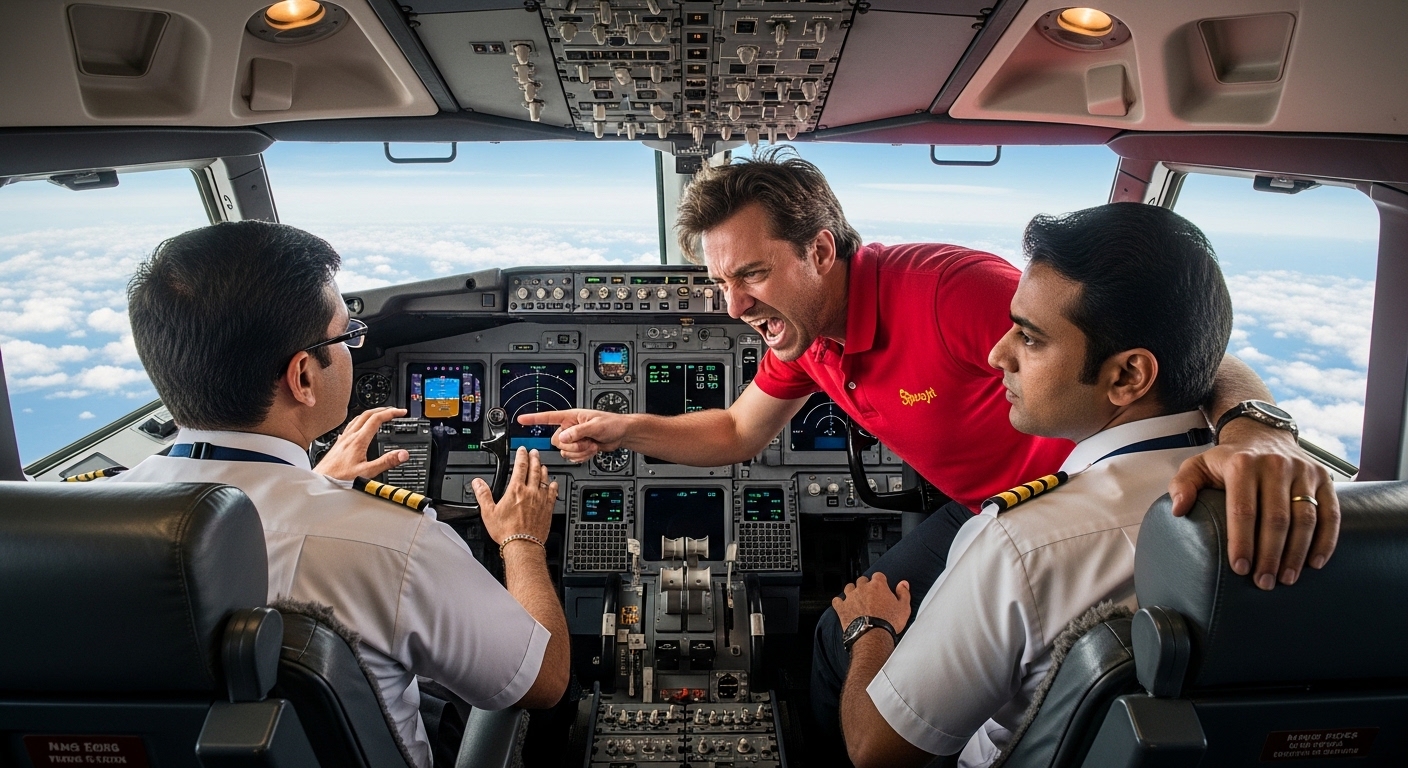

Air travel is widely considered one of the safest forms of transportation, largely due to strict regulations and highly trained aviation professionals. However, incidents involving unruly passengers cockpit disruption SpiceJet have raised concerns about passenger behavior and flight safety. Situations where individuals create disturbances during a flight can pose serious risks to both crew members and fellow travelers. When disruptions occur near the cockpit or interfere with flight operations, the safety implications become even more significant. Understanding the causes, consequences, and preventive measures related to such incidents helps highlight the importance of responsible passenger behavior in maintaining a secure aviation environment.
The Meaning of Unruly Passenger Behavior
Unruly passenger behavior refers to actions by travelers that disrupt normal flight operations or threaten the safety and comfort of others on board. In cases related to unruly passengers cockpit disruption SpiceJet, such behavior may involve refusing to follow crew instructions, creating disturbances, or attempting to access restricted areas of the aircraft. Aviation authorities treat these incidents seriously because they can distract crew members from critical duties. Even minor disturbances can escalate quickly in a confined environment like an aircraft cabin. Understanding what qualifies as unruly behavior helps passengers recognize the importance of maintaining calm and respectful conduct during flights.
Why the Cockpit Must Remain Secure
The cockpit is the most critical area of an aircraft because it is where pilots control navigation, communication, and flight systems. Any attempt by passengers to approach or interfere with this space is considered a serious security concern. Incidents involving unruly passengers cockpit disruption SpiceJet highlight why strict rules exist to protect cockpit access. Modern aircraft doors are reinforced and designed to remain locked during flight for security reasons. This precaution ensures that pilots can focus entirely on operating the aircraft without distractions. Protecting the cockpit is a fundamental aspect of aviation safety protocols worldwide.
Challenges Faced by Cabin Crew During Disruptions
Cabin crew members are trained to manage many situations during flights, including medical emergencies, passenger concerns, and safety procedures. When incidents like unruly passengers cockpit disruption SpiceJet occur, crew members must quickly assess the situation while maintaining calm throughout the cabin. Handling disruptive behavior requires communication skills, patience, and sometimes cooperation from other passengers. Crew members must follow strict safety guidelines while ensuring that the disturbance does not escalate further. Their ability to remain composed under pressure is crucial for protecting everyone on board and allowing the flight to continue safely.
Impact on Flight Safety and Operations
Disruptions involving passengers can significantly affect flight safety and operations. In cases such as unruly passengers cockpit disruption SpiceJet, pilots may need to adjust their focus away from normal duties to coordinate with the cabin crew or consider alternative actions. In severe situations, flights may even be diverted to another airport to handle the issue safely. These disruptions can delay travel schedules and create additional operational challenges for airlines. More importantly, they increase stress within the cabin environment. Maintaining calm and cooperation among passengers helps ensure that flights proceed without unnecessary risks or interruptions.
Legal Consequences for Disruptive Passengers
Airlines and aviation authorities enforce strict legal measures against individuals who engage in disruptive behavior during flights. Incidents like unruly passengers cockpit disruption SpiceJet often lead to investigations and possible penalties for those responsible. Legal consequences may include fines, travel restrictions, or placement on airline no fly lists. These measures are designed to discourage behavior that threatens aviation safety. By enforcing clear rules and penalties, authorities aim to protect both passengers and crew members. Understanding these consequences reminds travelers that respectful conduct is not only expected but required by international aviation regulations.
Airline Policies to Prevent In Flight Disturbances
Airlines continuously improve policies to reduce the risk of in flight disruptions. Situations involving unruly passengers cockpit disruption SpiceJet encourage companies to review safety procedures, crew training, and passenger communication strategies. Pre flight announcements often remind travelers about safety guidelines and acceptable behavior. Crew members are trained to identify early signs of potential disturbances and address them before they escalate. Airlines also cooperate with airport authorities and law enforcement when necessary. These policies work together to create a structured environment where safety remains the top priority for every flight.
The Role of Passenger Responsibility
Every traveler plays a role in maintaining a safe and respectful atmosphere on board an aircraft. When incidents like unruly passengers cockpit disruption SpiceJet occur, they highlight how individual behavior can affect hundreds of people on a single flight. Passengers are expected to follow crew instructions, remain seated when required, and respect safety regulations throughout the journey. Cooperation between passengers and airline staff ensures that flights remain orderly and secure. Responsible behavior not only protects fellow travelers but also helps create a comfortable and stress free travel experience for everyone involved.
Raising Awareness About Aviation Safety
Public awareness is an important factor in preventing incidents involving disruptive behavior during flights. Discussions about unruly passengers cockpit disruption SpiceJet bring attention to the seriousness of such actions and their impact on aviation safety. Media coverage and safety campaigns help inform travelers about the consequences of inappropriate behavior in the air. Educating passengers about airline rules and safety expectations encourages responsible conduct before boarding even begins. Increased awareness supports a culture where passengers understand that safety procedures are designed to protect everyone on board and ensure smooth flight operations.
The Importance of Respectful Travel Culture
Creating a respectful travel culture is essential for the long term safety of global aviation. Incidents such as unruly passengers cockpit disruption SpiceJet remind travelers that cooperation and courtesy are key elements of safe air travel. Airlines, airport authorities, and passengers all share responsibility for maintaining this environment. Respectful behavior allows flight crews to focus on their professional duties while ensuring that passengers reach their destinations safely. When travelers understand and follow safety guidelines, the entire journey becomes smoother, more efficient, and more enjoyable for everyone on board.
Conclusion
Incidents involving unruly passengers cockpit disruption SpiceJet highlight the importance of responsible passenger behavior and strict aviation safety measures. Air travel relies on cooperation between airline staff and passengers to maintain a secure and controlled environment. Protecting the cockpit, supporting cabin crew, and following airline regulations all contribute to safe flight operations. When travelers respect these guidelines, they help ensure that every journey remains comfortable and secure. By promoting awareness and encouraging respectful conduct, the aviation industry can continue to provide reliable transportation while minimizing risks associated with disruptive passenger behavior.